Best Used Cars for Gas Mileage: What to Buy and What to Avoid
With gas mileage ratings up to 55 mpg, these cars are perfect for daily commutes and long-distance trips.
Updated: August 13, 2026 // Top Lists
Fuel economy is the easiest number to shop for and the easiest one to get wrong. A car rated at 50 mpg that needs a $2,500 repair every eighteen months costs more to run than a 32 mpg car that never breaks. The savings from ten extra miles per gallon are real, but they are smaller than most people assume, and they disappear entirely the first time something expensive fails.
So this list is organized around what a fuel-efficient used car actually costs you, not just its window sticker. It leads with the newer hybrids, because they are now cheap enough to be the obvious answer, and it ends with two categories that look like bargains and are not.
The math, quickly
Drive 12,000 miles a year. At $3.50 a gallon, a 30 mpg car costs about $1,400 in fuel. A 50 mpg car costs about $840. That is roughly $560 a year, or $47 a month.
Worth having. Not worth paying a $4,000 premium for, and definitely not worth inheriting a known transmission defect for. Keep that $47 figure in mind as you read.
The best buys: used hybrids
Hybrid technology has been mature for well over a decade, and the cars that were expensive when new are now ordinary used cars. This is where the value is.
Toyota Prius (2016-2022)
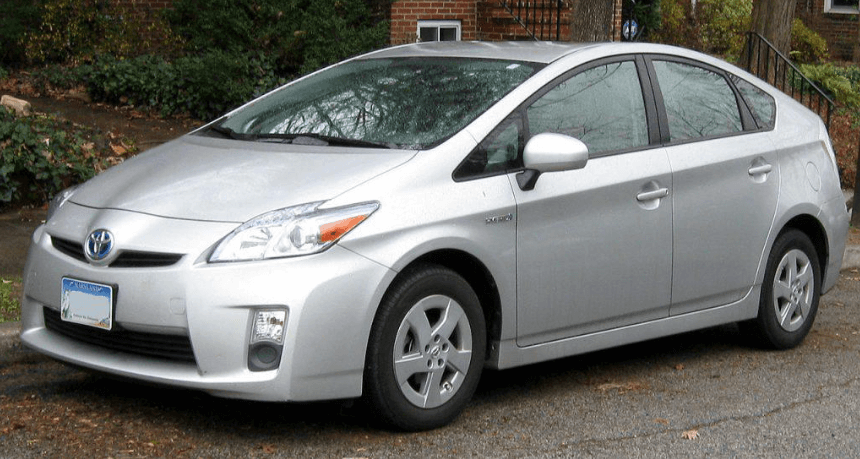
The fourth-generation Prius is rated in the low 50s mpg combined, and the Eco trim goes higher. It is the most proven hybrid drivetrain on the planet, and Toyota’s hybrid systems have a long record of outlasting the bodies they are fitted to. Taxi fleets ran them past 300,000 miles.
What to check: hybrid battery health, which a Toyota dealer can report on. Also verify the 12-volt auxiliary battery, which is a cheap part that causes expensive-looking symptoms.
Hyundai Ioniq Hybrid (2017-2022)
The Ioniq Blue was rated at 58 mpg combined, the highest figure the EPA has ever given a non-plug-in car. It looks like a normal hatchback rather than a statement, and it depreciated harder than the Prius, which makes it the better value of the two.
What to check: confirm any open recalls are closed and get the service history. Hyundai’s warranty terms change for second owners, so verify what coverage actually transfers.
Honda Insight (2019-2022)
Not the tiny 2010 car. This Insight is a Civic-based sedan rated around 52 mpg combined that looks like a normal, decent-looking sedan. It is the pick if you want the fuel economy without anyone knowing that was your priority.
What to check: generally solid. Verify the infotainment works, because that generation had software gremlins.
Toyota Corolla Hybrid (2020 and newer)
About 50 mpg combined in a Corolla, which means Toyota reliability, cheap parts, and a mechanic in every town who knows the car. The least interesting recommendation here and possibly the smartest.
Toyota Camry Hybrid (2018-2024)
Around 50 mpg combined in a mid-size sedan with a real back seat. If you need space and economy at once, this ends the search. Worth noting that Toyota later made the Camry hybrid-only, which has kept these in demand.
Solid older picks, if the price is right
Honda Civic (2012-2015)
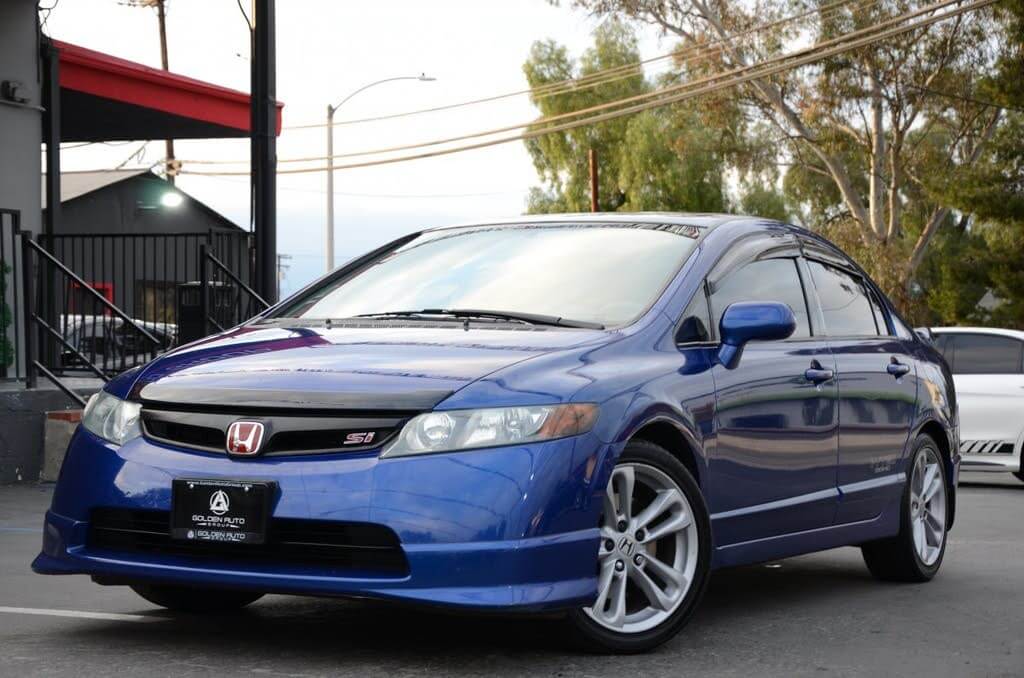
The Civic is on every list like this for good reason. The 2013 refresh improved both the interior and the fuel economy, and the HF trim reached about 41 mpg on the highway. These are simple, durable cars with enormous parts availability.
Reality check: a 2013 Civic is now well over a decade old. You are buying condition and history, not a model year.
Honda Fit (2015-2020)
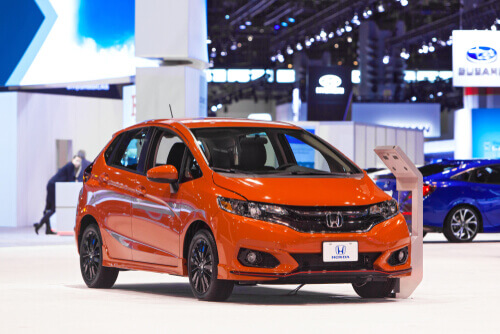
Around 36 mpg combined, with the Magic Seat folding system that lets a subcompact swallow furniture. Genuinely useful in a way no spec sheet captures.
Chevrolet Cruze Eco (2011-2015)
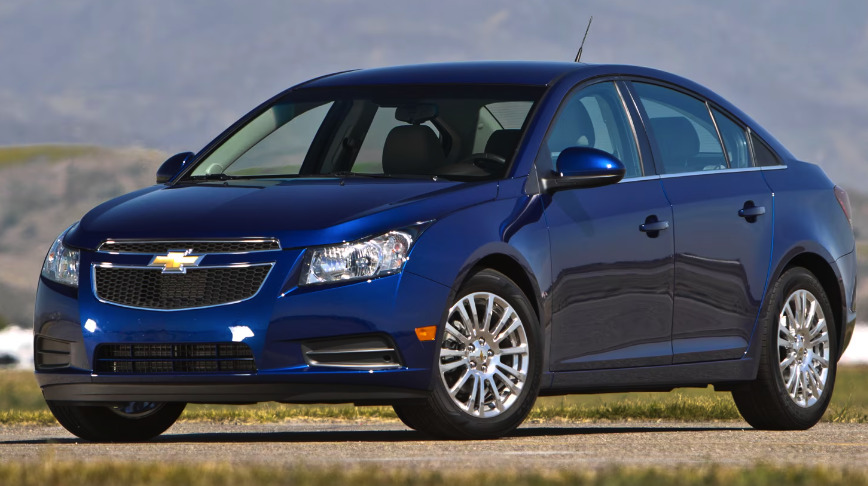
The manual-transmission Eco was rated at 42 mpg highway thanks to aerodynamic changes and a 1.4-liter turbo. Cheap to buy now.
What to check: this generation had well-documented coolant leaks, water pump failures, and thermostat housing problems. Budget for cooling system work.
Toyota Yaris (2012-2018)
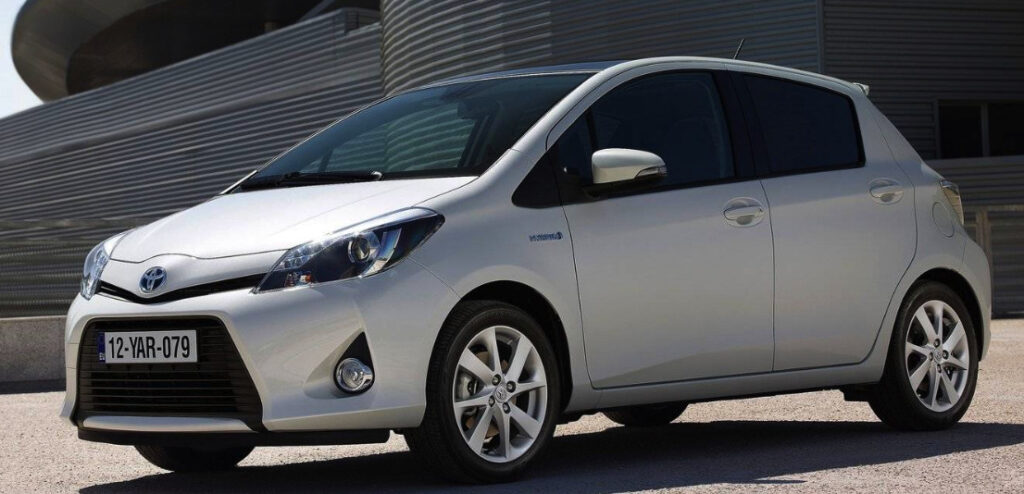
Rated around 30 mpg city and 36 to 39 highway depending on year and transmission, not the 40 mpg figure that circulates. Slow, loud, and close to indestructible. A reasonable choice if the priority is never being stranded.
Mazda3 (2012-2013)
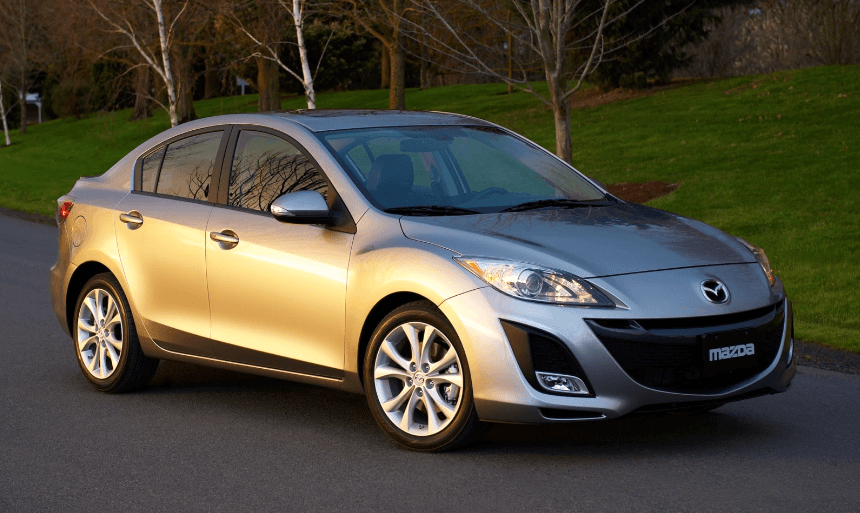
The SkyActiv cars from 2012 onward were rated around 40 mpg highway, and unlike most of this list the Mazda3 is actually enjoyable to drive. Good steering, a decent interior for the money, and no significant reliability black marks.
What to check: rear wheel arch and rocker panel rust, which is the known weak point on these, particularly in salt states.
Two things to avoid, and why
These both appear on fuel economy lists constantly, including an earlier version of this one. Both are traps.
Volkswagen Jetta TDI (2009-2015)
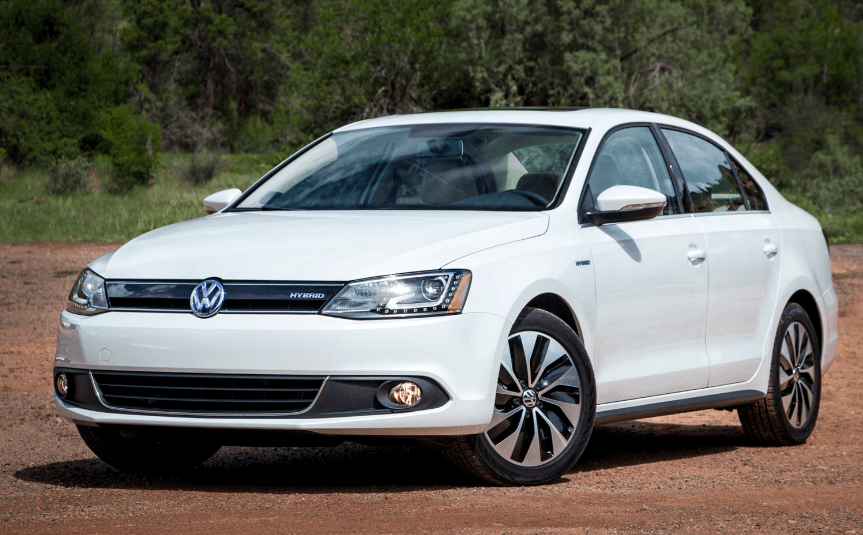
These were part of the diesel emissions scandal. Volkswagen admitted to defeat devices that let the cars pass tests while exceeding emissions limits in normal driving, and the settlement resulted in the vast majority being bought back and scrapped.
The ones that remain fall into two groups. Unfixed cars may not pass inspection depending on your state. Fixed cars received an emissions update that generally reduced both performance and real-world economy from the numbers people remember. Either way, the diesel advertised in 2011 is not the car you can buy in 2026.
Ford Fiesta (2011-2019) and Ford Focus (2012-2018)
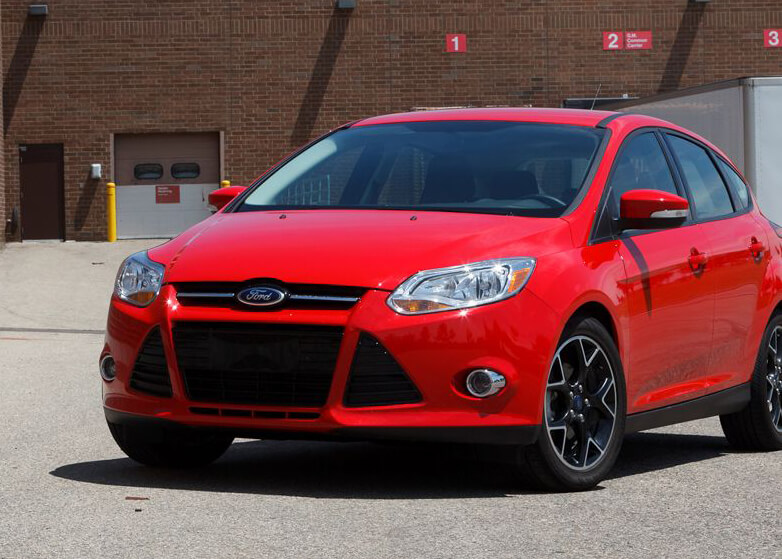
Both were sold with the DPS6 PowerShift dual-clutch automatic, which became one of the most litigated transmissions in modern automotive history. Symptoms include shuddering, hesitation, and clutch failure, and it produced a class action settlement and years of extended-warranty coverage.
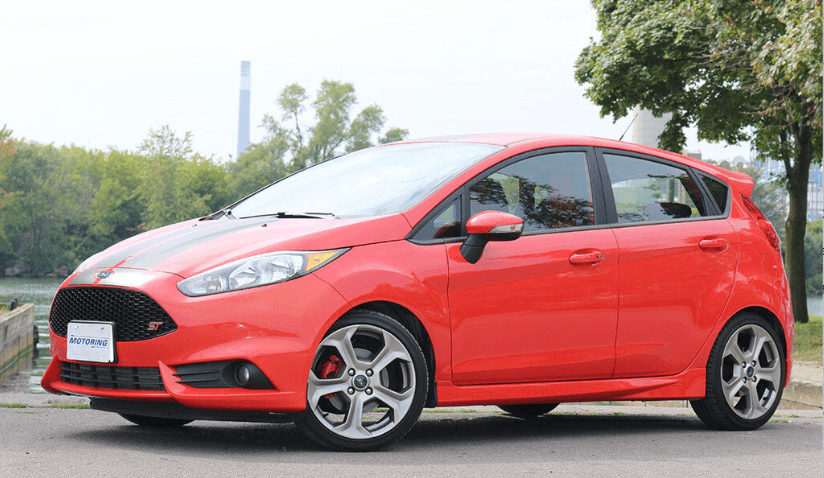
The economy figures are fine. The transmission is the problem. If you want either car, the manual versions do not use the DPS6 and are worth seeking out specifically. Otherwise this belongs on a list of used cars you should never buy rather than a list of recommendations.
Actually saving money at the pump
Some of the standard advice on this topic is wrong. Here is what holds up.
- Check tire pressure monthly. The single highest-return habit available. Underinflated tires cost you fuel and wear out faster.
- Use the EPA fuel economy label, not Energy Star. Energy Star covers appliances and buildings, not cars. For vehicles, the EPA’s ratings at fueleconomy.gov are the source, and they include a used-vehicle lookup going back decades.
- Use the air conditioning on the highway. The old advice to switch it off is backwards above roughly 45 mph, where the drag from open windows costs more than the compressor does. In town, windows down is fine.
- Slow down. Fuel economy falls off sharply past about 60 mph. Driving 70 instead of 80 saves more fuel than most maintenance items combined.
- Drop the dead weight and the roof rack. An unused roof rack or cargo box costs real mpg at highway speed.
- Do not buy premium unless the manual requires it. If the car is designed for regular, higher octane buys you nothing.
- Combine trips. A cold engine is an inefficient engine. Several short separate trips use noticeably more fuel than one longer trip covering the same errands.
A word on going electric instead
If your annual mileage is high and you can charge at home, a used electric car may beat everything on this page on running costs. Early EVs have depreciated steeply, and electricity is generally cheaper per mile than gasoline. Our breakdown of how many kWh it takes to charge a Tesla Model Y gives you the numbers to compare against your own fuel spend.
The caveats are real: battery degradation on older cars, charging access if you rent, and road-trip planning. But it belongs in the comparison rather than being treated as a separate question.
Before you buy
Fuel economy is one line in the ownership cost, and on a car with 120,000 miles it is rarely the biggest one. Get a pre-purchase inspection, prioritize service records over mileage, and price the car as the purchase plus whatever maintenance the last owner deferred.
Our guide to the best places to buy a used car covers where to look, and if financing is part of the plan, how your credit score affects an auto loan will have a bigger effect on your monthly cost than the difference between 40 and 50 mpg. Shopping on a tight budget is a related problem, and our list of the best cars under $10k overlaps heavily with the picks above.
Common questions
What used car gets the best gas mileage?
Among non-plug-in hybrids, the Hyundai Ioniq Blue at 58 mpg combined holds the EPA record. The Prius is close behind and has the longer reliability record.
Is a used hybrid a risky buy?
Less than most people think, particularly with Toyota and Honda systems. Get a battery health report and check whether any warranty remains, since hybrid components often carry longer coverage than the rest of the car.
Are diesel cars still a good way to save fuel?
Not in the used American market. The emissions scandal removed most of the affordable diesel passenger cars, and modern hybrids match or beat them on economy without the complications.
How much does better fuel economy actually save?
Going from 30 to 50 mpg saves roughly $500 to $600 a year at 12,000 miles and $3.50 a gallon. Meaningful, but smaller than one significant repair.
Should I buy a smaller engine for better mileage?
Not automatically. A small turbocharged engine worked hard often returns worse real-world economy than a larger naturally aspirated one driven gently. Compare the EPA combined figures rather than displacement.