
10 Best Modern Sleeper Cars You Can Buy in 2026
These amazing modern-day sleepers are the best the past few decades have to offer.
Updated: August 17, 2026 // Top Lists
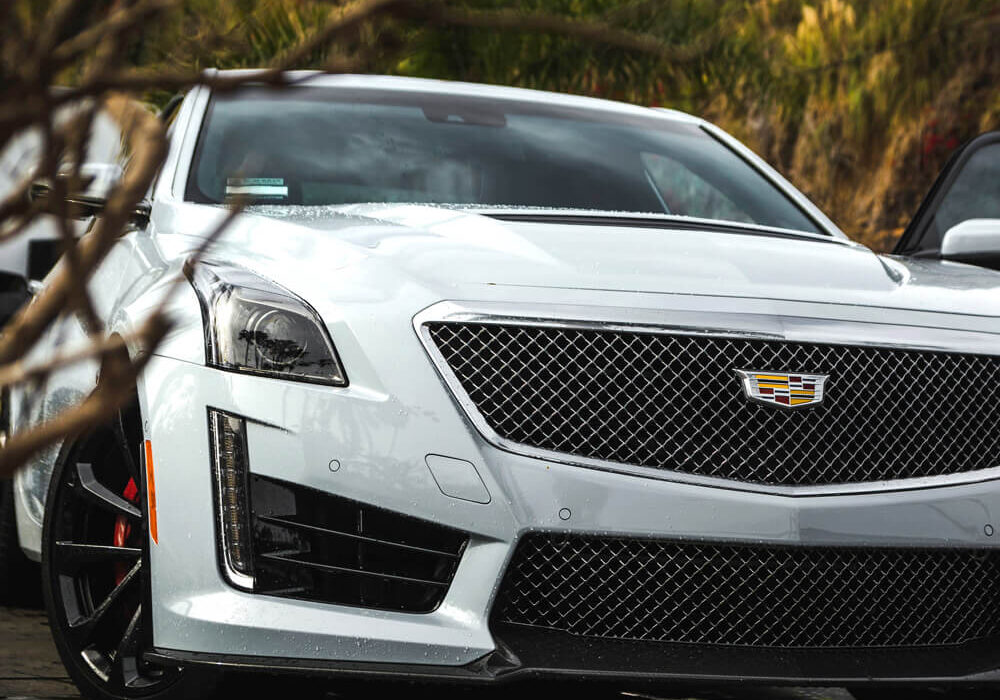
A sleeper is a car that looks slow and isn’t. That’s the whole brief. If the wing tells the story before the engine does, it isn’t sleeping, no matter how fast it is.
The used market is where sleepers get good. A fast luxury sedan that cost $80,000 new is worth a fraction of that eight years later, because the people who buy expensive cars want to be seen buying expensive cars, and nobody wants to be seen in a used one. That’s the opportunity. You get the drivetrain at a discount and the invisibility for free.
Everything here is modern enough to still look current on the road, roughly 2014 and newer, and everything here is buyable today. Price ranges are ballpark figures as of August 2026 and move constantly, so treat them as a starting point rather than a quote.
1. Chevrolet SS (2014-2017)
 Roughly $27,000 to $40,000
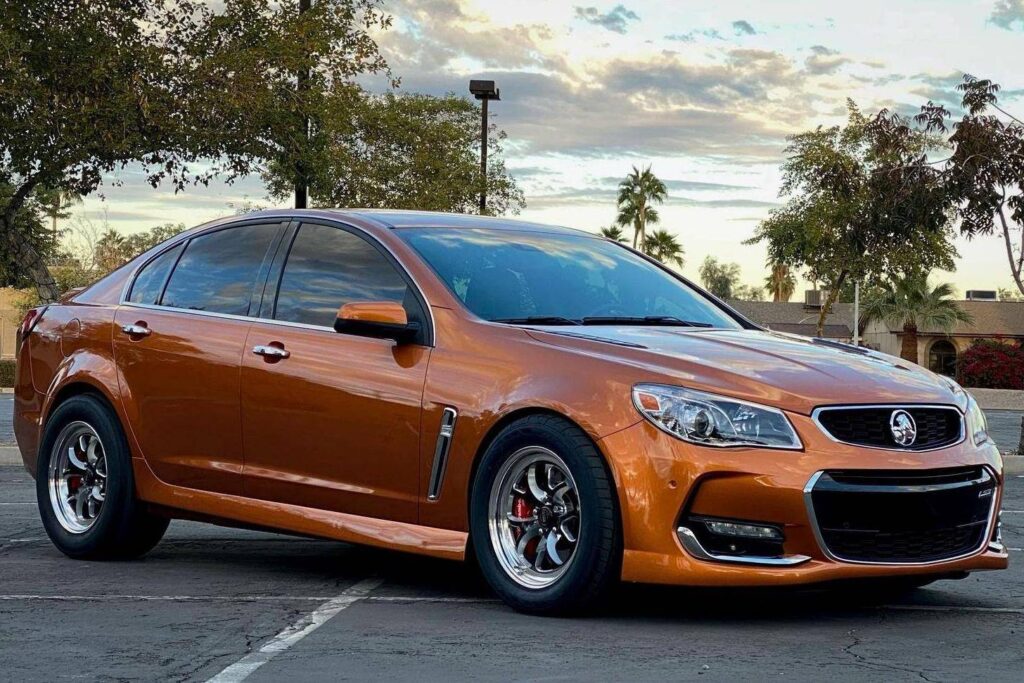
The best American sleeper of the last twenty years and the one almost nobody bought. Chevrolet imported an Australian Holden Commodore, dropped in the Corvette’s 6.2-liter LS3 making 415 horsepower and 415 lb-ft, gave it rear-wheel drive, a limited-slip differential, magnetic ride control from 2015, and an available six-speed manual. Then it styled the thing to look like a Malibu that got slightly above itself.
Mid-four-second 0-60 with nothing on the outside to explain it. Only about 12,860 were built across four model years.
The catch: it barely depreciates. <cite index=”10-1″>The 2017 model has lost only around 13 percent of its value in nine years, because rarity, power, and sleeper styling have kept demand up.</cite> You are not getting a deal here. You’re paying fair money for something that will hold it.
What to check: most have been driven hard and many have been modified. Look for stock cars with service records. The differential bushings and rear cradle bushings wear.
2. Toyota Camry TRD (2020-2024)
 Roughly $25,000 to $34,000
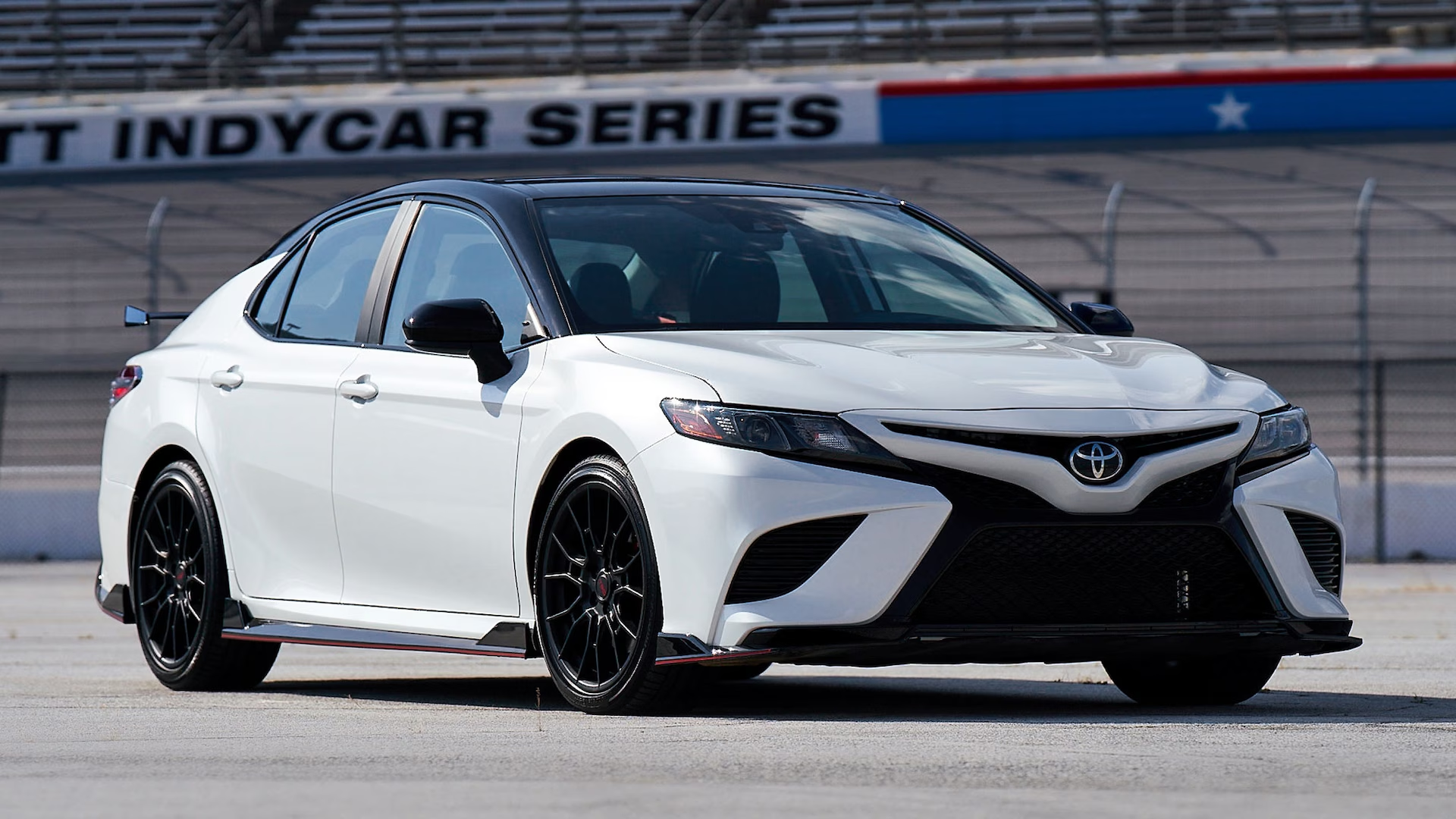
A 301-horsepower 3.5-liter V6 in a Camry, with stiffer springs, bigger brakes, and a real dual exhaust. Around 5.8 seconds to 60. Toyota built roughly 6,000 a year for five years and then killed it when the Camry went hybrid-only, which means there is now no V6 mass-market sedan on sale from anyone.
That scarcity is doing exactly what you’d expect to prices. 2022 cars start around $25,000 and 2024s start above $31,000, which is remarkable for a used Camry.
Better idea: the TRD came with a spoiler and red accents, so it’s a compromised disguise. The Camry XSE V6 has the same engine with none of the visual noise, and the Avalon TRD is the same drivetrain in a bigger, even more anonymous body. Both are better sleepers than the sleeper.
What to check: almost nothing. It’s a Camry. Confirm the V6, since a lot of listings say TRD and mean the appearance package.
3. Rivian R1T Quad-Motor (2022-2024)
 Roughly $45,000 to $65,000
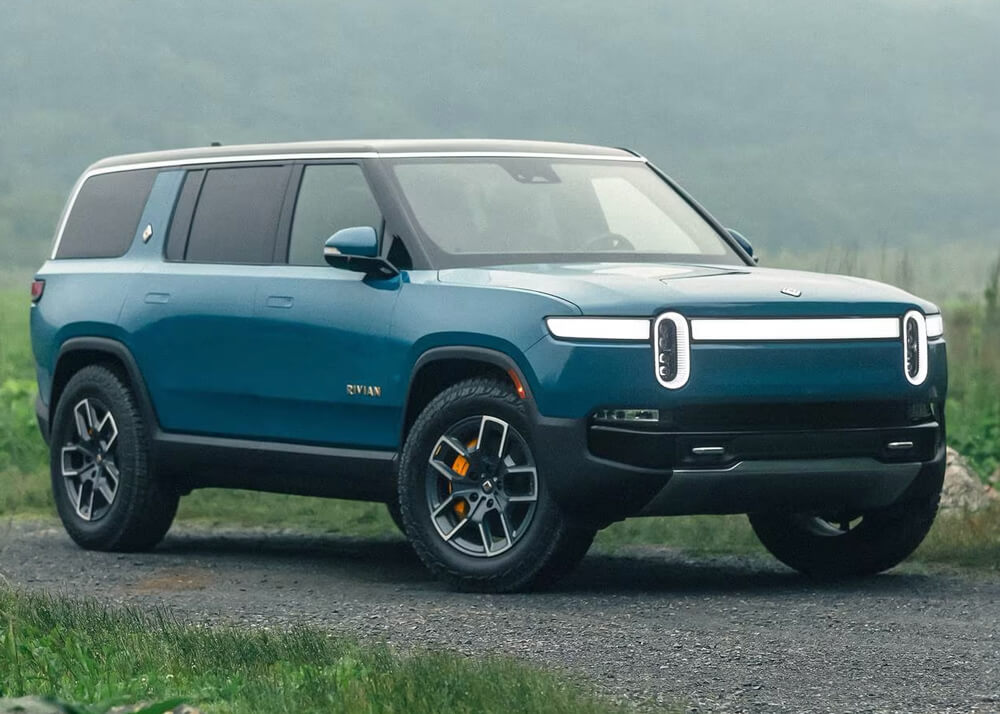
The biggest gap between expectation and reality available at any price. It looks like an outdoorsy work truck. It has a motor at every wheel making 835 horsepower and 908 lb-ft combined, and it will do 0-60 in about three seconds without making a sound.
First-generation quad-motor trucks are where the value is. These sold for $85,000 and up new and have depreciated hard, which is the usual story with early electric vehicles and is entirely to your benefit here.
What to check: battery health report, software update history, and whether the truck has been through Rivian service for the various early-production campaigns. Also confirm charging setup at home before you commit, because this is not a car you street-charge conveniently.
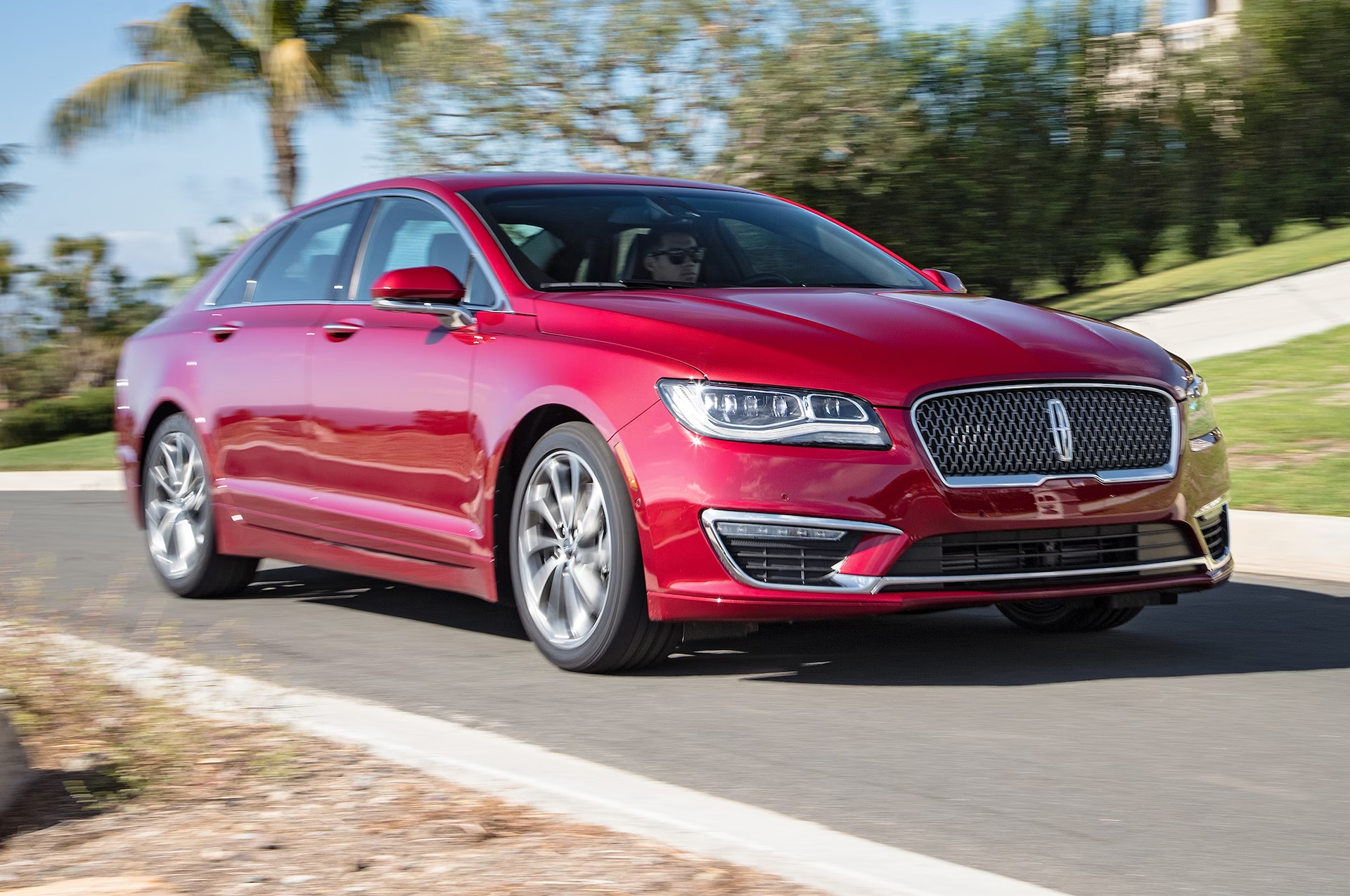
4. Lincoln MKZ 3.0T AWD (2017-2020)
 Roughly $15,000 to $22,000
The most underpriced car on this list. Lincoln put a twin-turbo 3.0-liter V6 making 400 horsepower with all-wheel drive into a quiet luxury sedan that nobody remembers exists. Roughly five seconds to 60 in something that looks like it belongs to a retired dentist.
Average MKZ listings across all trims sit around $13,500, and the 3.0T carries a modest premium over that. For 400 horsepower, that is an absurd amount of car for the money.
What to check: this is the reason it’s cheap. The 3.0-liter EcoBoost has a reputation for cylinder head issues, and owners report head replacements around the 100,000-mile mark. Buy the lowest-mileage example you can find, get a compression test, and take an extended warranty seriously.
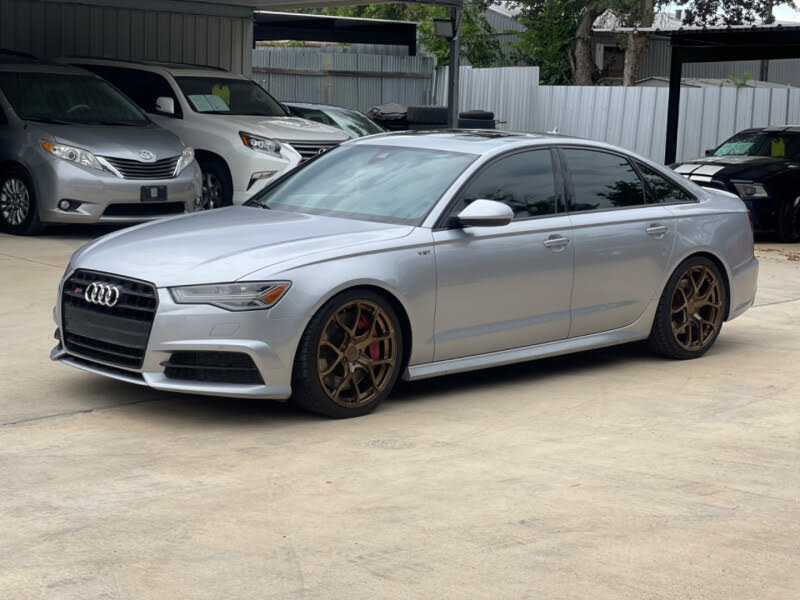
5. Audi S6 (2020-2024, C8)
 Roughly $40,000 to $52,000
Audi has been perfecting the invisible fast sedan longer than anyone. The C8 S6 uses a 2.9-liter twin-turbo V6 making 444 horsepower, with Quattro putting it down so cleanly that passengers don’t register what’s happening. Around 4.4 seconds to 60.
From ten feet away it’s an A6, and an A6 is the most anonymous shape in the luxury segment.
What to check: German V8 and V6 running costs are real. Carbon buildup, cooling system, and control arms are the recurring items. Pay an Audi specialist for a pre-purchase inspection. This is not the car to skip that on.
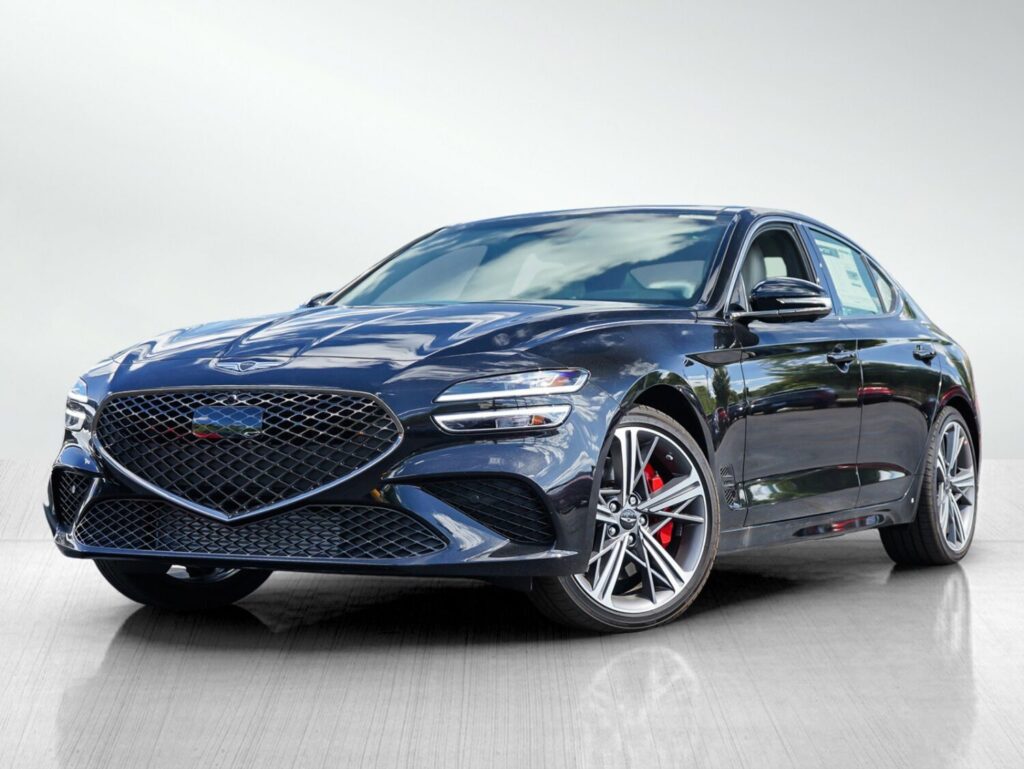
6. Genesis G70 3.3T (2019-2024)
 Roughly $22,000 to $38,000 depending on year
Genesis has the rare advantage of being a badge most people still can’t identify, which is the ideal starting condition for a sleeper. The 3.3T gets a twin-turbo V6 making 365 horsepower and 376 lb-ft, rear-wheel drive, and a chassis benchmarked hard against the 3 Series. Mid-four-second 0-60.
Early cars have depreciated steeply, which is the usual fate of a new luxury brand’s first products and is very good news for you.
What to check: these were often leased, so look for lease returns with clean service records. Check the tires, because the staggered setup is expensive to replace and previous owners often cheaped out.
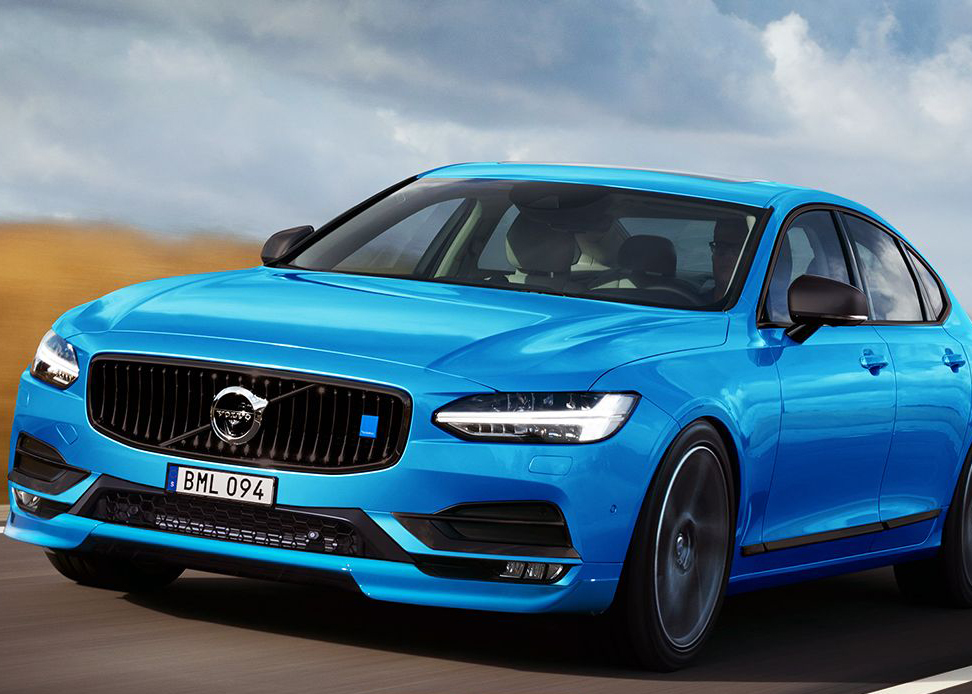
7. Volvo S60 T8 Polestar Engineered (2019-2022)
 Roughly $28,000 to $38,000
A Volvo sedan, which is about as invisible as bodywork gets, with a plug-in hybrid drivetrain making 455 horsepower and 523 lb-ft. Low-four-second 0-60, plus Öhlins dampers and Brembo brakes.
The honest caveat: the Polestar Engineered cars came with gold seatbelts and gold brake calipers, which is a real tell to anyone paying attention. It is also rare enough that you may have to travel to find one.
What to check: hybrid battery condition and whether the previous owner actually plugged it in. These systems do not love sitting unused. Verify the charging hardware works.
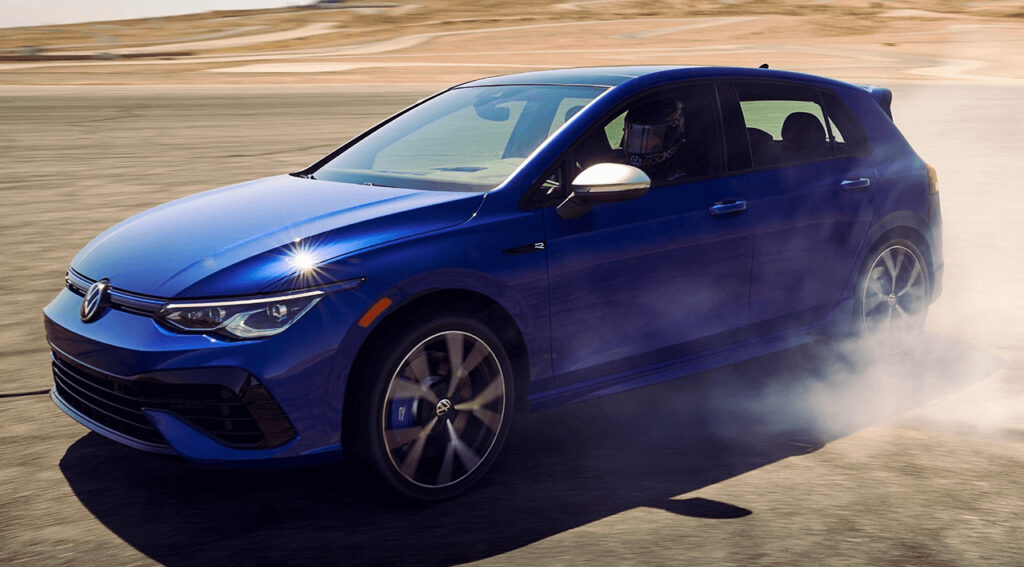
8. Volkswagen Golf R (2022-2024, Mk8)
InsideHook
Roughly $32,000 to $40,000
A 2.0-liter turbo four making 315 horsepower, all-wheel drive with a torque-vectoring rear axle, and a dual-clutch gearbox that gets it under four seconds to 60 in independent testing, well ahead of VW’s conservative claim.
It’s a Golf. From behind, in traffic, it is completely and entirely a Golf.
What to check: the Mk8 infotainment system is widely disliked and the capacitive controls are a known frustration, so drive one before you buy. Confirm the DSG service has been done on schedule.
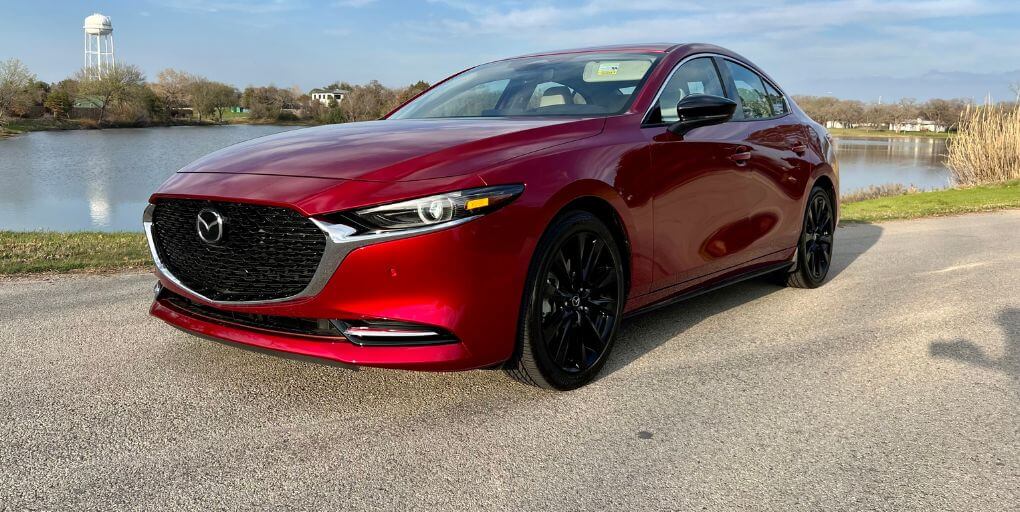
9. Mazda3 2.5 Turbo (2021-2025)
 Roughly $20,000 to $28,000
The most attainable car here and one of the best disguised. 250 horsepower and 320 lb-ft on premium fuel, 227 and 310 on regular, and Mazda is unusually upfront about that distinction. All-wheel drive standard.
The torque number matters more than the horsepower. It arrives low and makes the car feel considerably quicker than the stopwatch says. Nothing about a Mazda3 sedan suggests any of it.
What to check: straightforward car. Confirm it’s the turbo, since the trim naming is confusing and plenty of listings get it wrong.
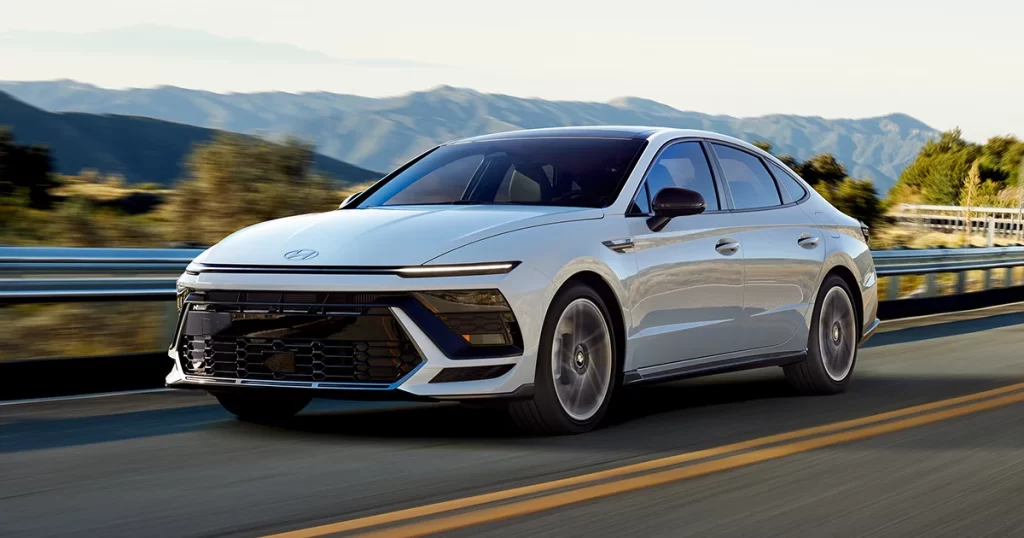
10. Hyundai Sonata N Line (2021-2025)
 Roughly $22,000 to $28,000
A Sonata. In the eyes of every other driver on the road, just a Sonata. Underneath is a turbocharged 2.5-liter four making 290 horsepower and 311 lb-ft through an eight-speed dual-clutch, good for roughly five seconds to 60.
Front-wheel drive, so it will light up the tires if you’re careless, which is part of the appeal.
What to check: Hyundai’s 2.5-liter turbo is a newer and better engine than the Theta units that caused the company so much trouble, but verify the service history and confirm any open recalls have been completed. Warranty transferability to second owners is reduced, so check what coverage actually carries over.
How to shop for a sleeper
Buy the boring color. Silver, grey, and white are cheaper on the used market and better at the job. A bright red sleeper is a contradiction.
Skip the modified ones. An aftermarket exhaust or a set of aggressive wheels undoes the entire point and usually signals a hard life. Stock cars cost more for a reason.
Read the trunk badge. A lot of otherwise perfect sleepers are ruined by a chrome number telling everyone what’s underneath. Some of these can be debadged, and it’s the cheapest modification you’ll ever make.
Price in the first year of catching up. Whatever the last owner deferred, you now own. On the German and Lincoln entries here, that number can be significant. Budget for it before you fall in love with a listing.
The appeal isn’t only the speed. Plenty of cars are fast. It’s that a sleeper lets you skip the attention, the insurance premium, and the assumption from everyone in the parking lot that you’re about to do something stupid. You know what the car is. Everyone else gets to be wrong about it.





Sources:
- Sherman, E. (2022, April 11). Sleeper Car Seniors That Can Still Put Modern Sports Cars to Bed. Sleeper Car Seniors That Can Still Put Modern Sports Cars to Bed. https://www.motorbiscuit.com/sleeper-car-seniors-that-can-still-put-modern-sports-cars-to-bed/
- Mehta, S. (2023, April 11). According to you: What’s the best “sleeper” car of all time? - Hagerty Media. Hagerty Media. https://www.hagerty.com/media/hagerty-community/according-to-you-whats-the-best-sleeper-car-of-all-time/
- The Best Sleeper Cars on the Market Today. (2020, April 1). The Best Sleeper Cars on the Market Today. https://www.topspeed.com/cars/guides/the-best-sleeper-cars-on-the-market-today/